For many Americans, the daily grind involves thousands of steps on unforgiving surfaces like concrete and hardwood. Whether you are commuting through a busy city center, navigating a retail floor, or enjoying a weekend stroll through a local park, the shoes you wear play a critical role in your overall health. Unfortunately, the factory-standard liners found in most sneakers and loafers are often thin, flat, and lack the structural integrity needed for long-term support.
At fpfootwear.com, we understand that true comfort starts from the ground up. Upgrading to high quality casual insoles for shoes is not just a luxury; it is a vital step in preventing foot fatigue, managing conditions like plantar fasciitis, and ensuring your favorite footwear lasts longer. By focusing on biomechanical alignment and premium materials, you can transform a standard pair of shoes into a custom-feeling support system.
What are Casual Insoles for Shoes?
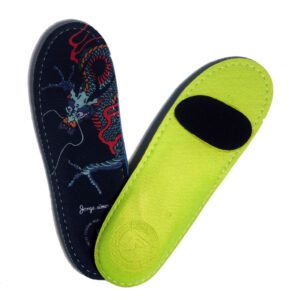
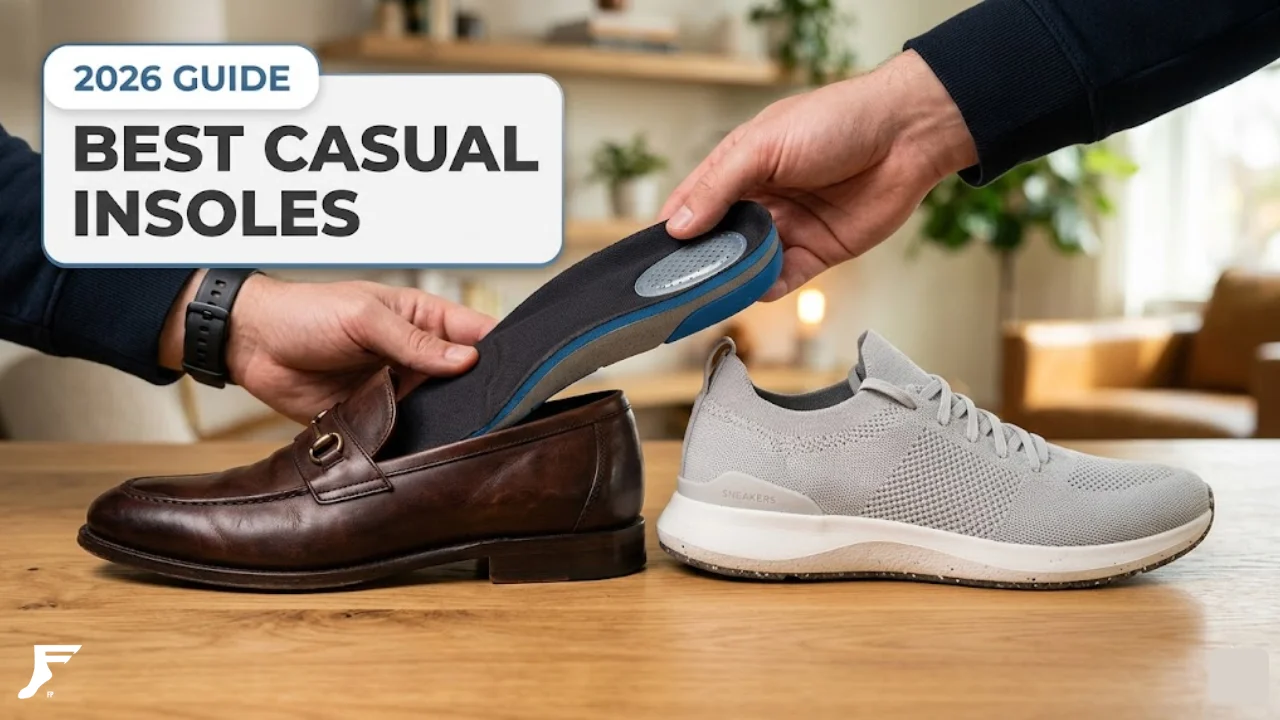
Casual shoe insoles are specialized, removable footbeds designed specifically for everyday footwear like sneakers, loafers, and work boots. Unlike athletic inserts, which are built for high-impact bursts and lateral movement, casual insoles prioritize sustained comfort, pressure redistribution, and moisture management for low-to-moderate activity levels.
These inserts serve as a functional bridge between your foot’s unique anatomy and the flat interior of a mass-produced shoe. They typically feature a combination of shock-absorbing polymers, structural arch supports, and antimicrobial top covers to keep your feet feeling fresh from morning to night.
The Core Benefits of Using Casual Insoles
| Benefit Category | Impact on the User |
| Shock Absorption | Reduces the “ground reaction force” on your heels and knees. |
| Arch Support | Prevents the medial arch from collapsing, reducing overpronation. |
| Pressure Mapping | Shifts weight away from sensitive areas like the ball of the foot. |
| Alignment | Helps keep the ankles, knees, and hips in a neutral kinetic chain. |
| Longevity | Protects the interior of your shoes from premature wear and tear. |
Why Factory Insoles Often Fail
Most footwear brands invest heavily in the exterior aesthetics and outsole durability of their shoes, but save costs on the interior components. The standard foam liner in a retail sneaker often loses 50% of its compression resistance within the first three months of regular use.
This degradation leads to “bottoming out,” where your foot makes direct contact with the hard midsole. For the average person in the USA, this results in that familiar dull ache at the end of the day. Upgrading to a dedicated casual insole ensures that you have a consistent layer of protection that doesn’t collapse under the weight of your daily activities.
Types of Materials Used in Casual Insoles
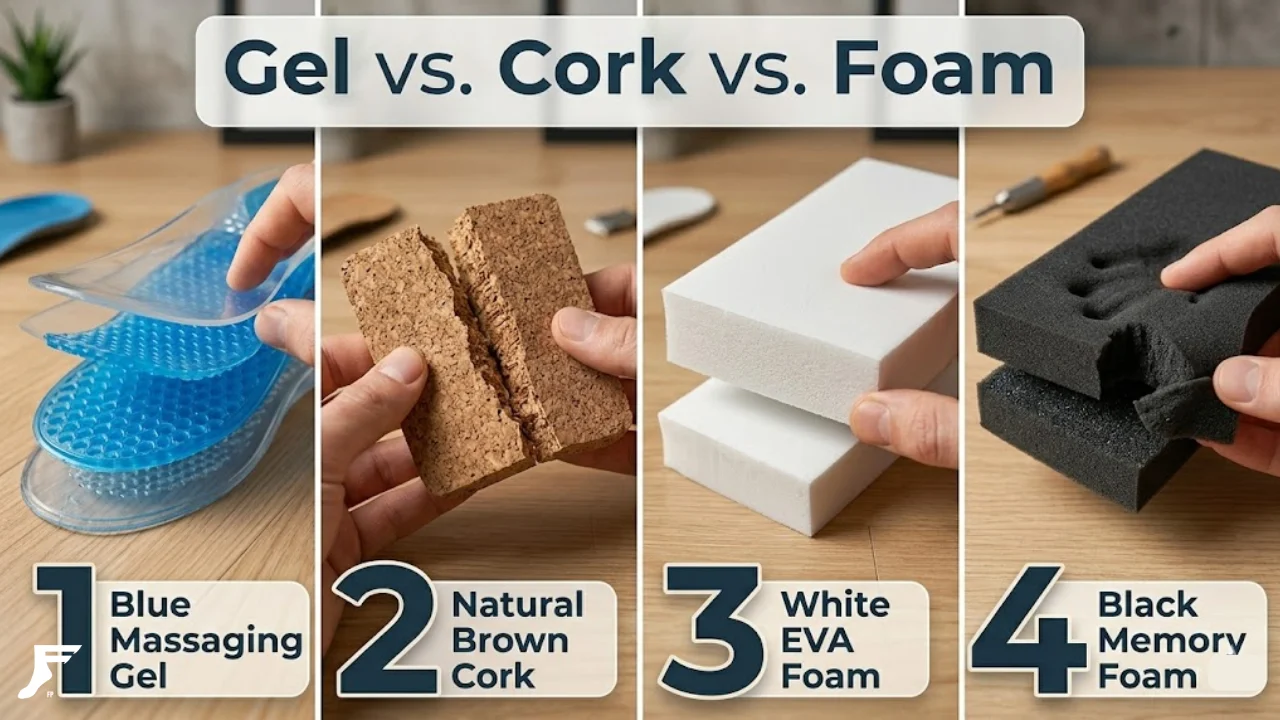
Understanding the material science behind your footbeds is key to making an informed purchase. In 2026, several high-performance materials dominate the American market:
1. High-Density EVA Foam
Ethylene Vinyl Acetate (EVA) is a staple in the podiatry world. It provides a firm yet flexible base that excels at absorbing vibrations. It is the preferred choice for those who need consistent arch support without the stiffness of hard plastic.
2. Memory Foam and Polyurethane
For a “plush” feel, memory foam is often used as a top layer. It contours to the unique shape of your foot, providing immediate pressure relief. When paired with a polyurethane base, it offers a great balance of soft entry and structural durability.
3. Advanced Gel Polymers
Gel is highly effective at dissipating heel strike force. You will often find gel “windows” or “waves” located in the heel and metatarsal regions. This is particularly useful for individuals who spend long hours standing in one place on hard flooring.
4. Sustainable Cork
Cork is a growing favorite in the USA due to its natural antimicrobial properties and its ability to “self-mold.” Over time, the heat and pressure of your foot cause the cork to shape itself to your specific arch, offering a custom-like fit that is also environmentally friendly.
 How Casual Insoles Improve Biomechanical Alignment
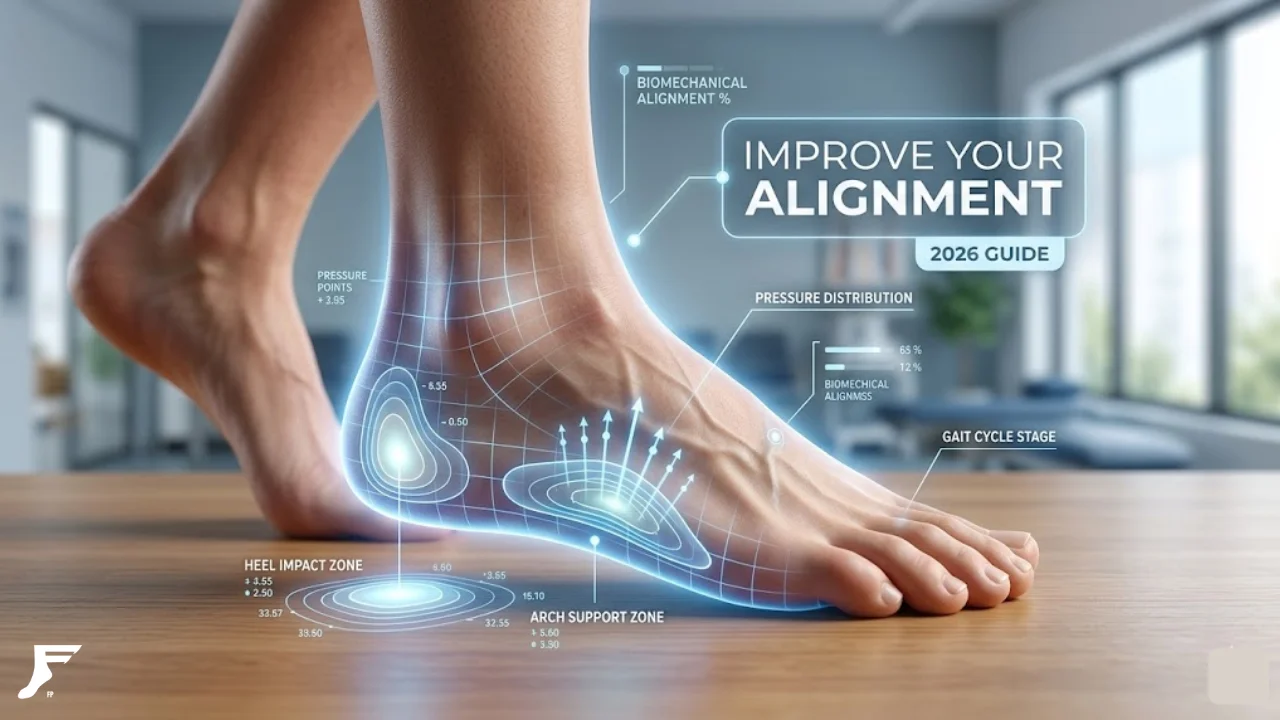
Proper alignment is about more than just your feet. When your arches collapse (overpronation), it causes your ankles to roll inward. This inward roll creates a chain reaction: your knees rotate, your hips tilt, and eventually, your lower back compensates for the imbalance.
A well-designed casual insole features a deep heel cup and a contoured arch. This configuration stabilizes the calcaneus (heel bone) and supports the plantar fascia, which is the thick band of tissue running across the bottom of your foot. By maintaining a neutral position, you reduce the strain on your joints and muscles throughout the entire body.
 The 3-Point Fit Checklist: Ensuring Success
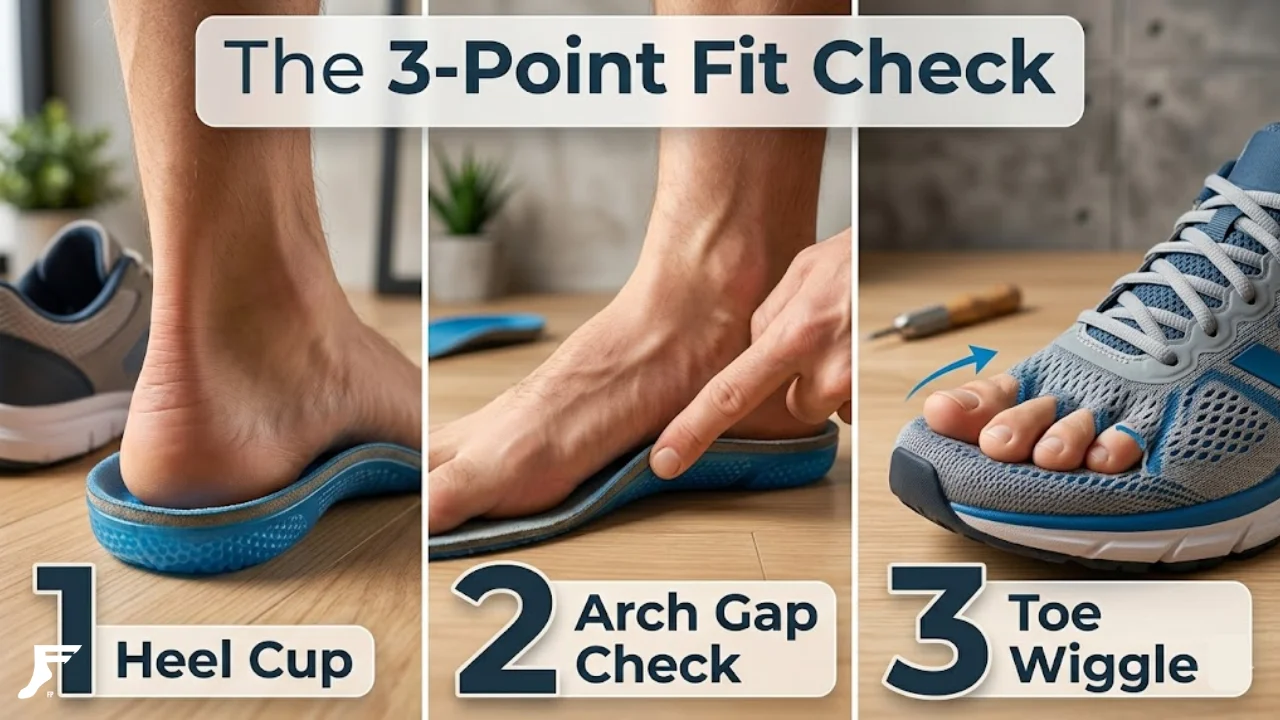
One of the biggest concerns for buyers in the USA is whether an insole will make their shoes feel too tight. At fpfootwear.com, we recommend using this 3-point checklist to ensure a perfect fit:
- The Heel Lock: When you place the insole in your shoe, your heel should sit snugly in the cup without sliding side-to-side.
- The Arch Gap: There should be no significant space between the insole’s arch and your foot. If you feel a “bump” that is painful, the arch may be too high; if you feel nothing, it may be too low.
- The Toe Room: You should still be able to wiggle your toes freely. If your toes feel “pinched” against the top of the shoe (the toe box), ensure you have removed the original factory liner.
The “Sizing Up” Myth
A common mistake many people make is buying shoes that are half a size larger to accommodate an insole. In most cases, this is unnecessary and can actually cause more problems, such as blisters from a loose heel.
Most casual insoles are designed to replace the existing liner. By removing the flimsy factory foam and inserting a high-quality footbed from fpfootwear.com, you maintain the intended volume of the shoe while significantly increasing the support.
Installation Guide: The Trim-to-Fit Method
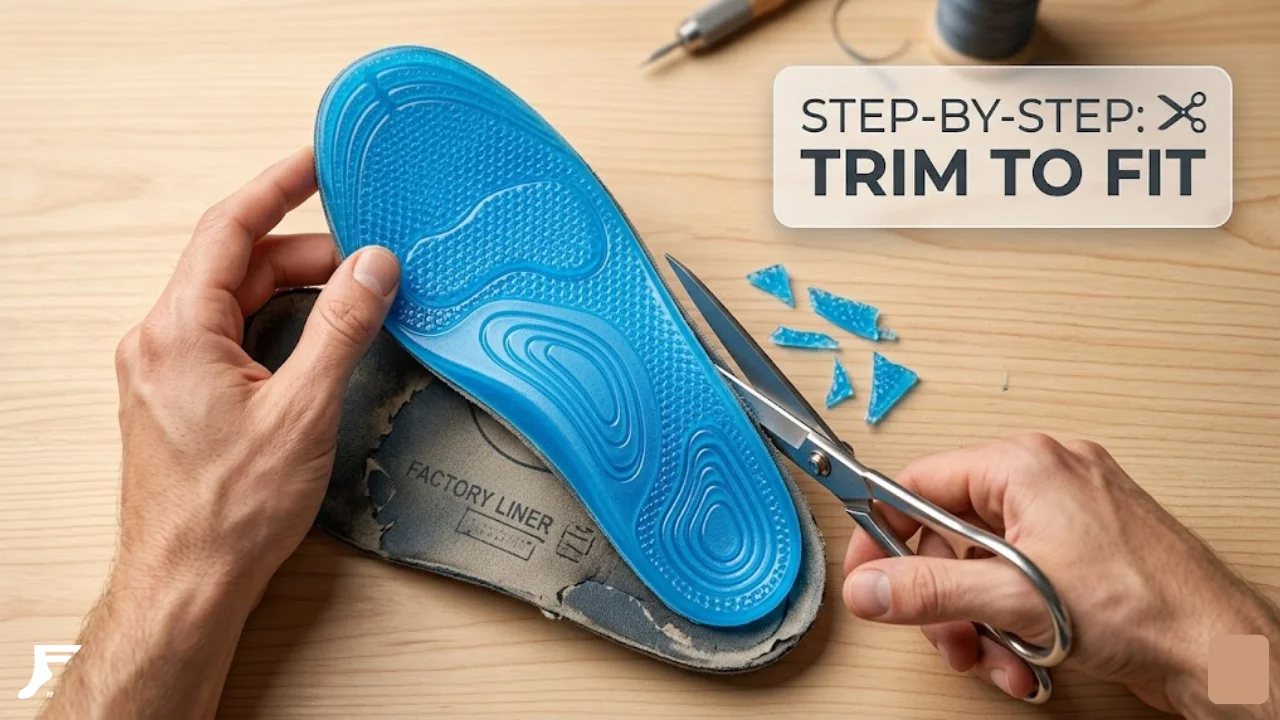
Most premium insoles come in “size brackets” (e.g., Men’s 8–10) and require minor trimming for a precision fit. Follow these steps:
- Remove the Original: Take the factory liner out of your shoe.
- Trace: Place the old liner on top of the new casual insole, lining up the heels. Use a pen to trace the shape of the toe area.
- Trim: Use sharp, heavy-duty scissors to cut along the outside of the line. It is always better to cut too little than too much.
- Test: Slide the new insole into your shoe. It should lie flat without bunching at the edges.
Pricing and Value in the USA Market
Insoles vary in price based on their complexity and the materials used. Here is what to expect for current pricing in USD:
- Retail/Pharmacy Tier ($15 – $30): Mass-produced gel or foam inserts found in local drugstores. Good for temporary relief, but often lack deep structural support.
- Performance Casual Tier ($35 – $60): These are high-quality, durable options like those featured at fpfootwear.com. They offer better arch reinforcement and last significantly longer.
- Semi-Custom/DTC Tier ($65 – $120): Often 3D-printed or made from premium cork, these offer the highest level of personalization without requiring a prescription.
When to See a Professional
While casual insoles for shoes are incredibly effective for the majority of users, they are not a substitute for medical care in severe cases. You should consult a podiatrist if:
- You have severe foot deformities.
- Your pain is sharp, localized, and does not improve after two weeks of use.
- You have neuropathy or diabetes, as improper foot pressure can lead to serious complications.
Maintenance and Longevity: Keeping Your Feet Fresh
To get the most out of your investment, follow these best practices:
- Air Them Out: If you wear your shoes every day, remove the insoles at night. This allows moisture to evaporate and prevents the growth of bacteria.
- Cleaning: Never put your insoles in the washing machine or dryer. The high heat can warp the plastic support shells. Instead, wipe them down with a damp cloth and mild soap.
- Replacement Cycle: Even the best insoles eventually lose their “rebound.” In the USA, most daily users should replace their casual insoles every 6 to 9 months, or sooner if they notice visible cracking or flattening.
Squeak Prevention Hacks
A common frustration with new insoles is a squeaking sound when walking. This is usually caused by the bottom of the insole rubbing against the smooth interior of the shoe’s midsole. To fix this, remove the insole and sprinkle a small amount of talcum powder or baby powder into the shoe before re-inserting the footbed. This acts as a dry lubricant and silences the noise instantly.
Frequently Asked Questions (FAQs)
Q1. Should I remove my original shoe insole?
Yes. Most casual insoles are designed to be “full-replacement” footbeds. Leaving the original liner in can cause the shoe to feel too tight and may lead to instability or blisters.
Q2. How often should I replace casual insoles?
For daily use, expect to replace them every 6 to 9 months. If you start to feel a return of foot fatigue or see the fabric top cover wearing thin, it is time for a new pair.
Q3. Can I move one pair of insoles between different shoes?
You can, provided the shoes have a similar shape. However, because different shoes have different widths, moving them frequently can cause the edges of the insole to fray. For the best experience, we recommend having a dedicated pair for your most-worn shoes.
Q4. Will casual insoles help with my lower back pain?
Often, yes. By correcting your foot’s alignment and providing better shock absorption, you reduce the impact and “jarring” that travels up to your lower back during your daily commute.
Q5. Are these insoles suitable for work boots?
Absolutely. Casual insoles are excellent for work boots, especially if you spend long hours standing on hard surfaces. They provide the necessary cushioning that standard boot footbeds often lack.
Q6. Do I need to “break in” my new insoles?
If the insole has a firm arch, it is best to wear them for only a few hours on the first day and gradually increase the time over a week. This allows your muscles to adapt to the new support.
Q7. Are fpfootwear.com insoles better for high arches or flat feet?
Our range is designed to be versatile. We offer options that provide the rigid support needed for flat feet (to prevent collapsing) as well as cushioned options that fill the gap for those with high arches.
Conclusion
Investing in a pair of high-quality casual insoles for shoes is one of the simplest yet most impactful changes you can make for your daily well-being. By addressing the limitations of factory-standard footwear, products from fpfootwear.com provide the essential arch support, shock absorption, and alignment required for the modern American lifestyle.
Don’t wait for chronic pain to set in before taking action. Whether you are looking to revitalize an old pair of sneakers or ensure your new loafers are ready for an 8-hour workday, the right insole makes all the difference. Take the time to measure your feet, choose the material that fits your lifestyle, and remember to replace your inserts regularly to maintain peak performance. Your feet—and your back—will thank you for it.